C O R P O R A T O C R A C Y

FATCA Reporting and Drug Money Laundering
The Foreign Account Tax Compliance Act, is the latest government effort to eliminate financial privacy from the international banking system. Already provisioned within the law are reporting requirements and penalties, so the intent of this regulation requisite, seems more intent on closing down foreign bank relations for American citizens.
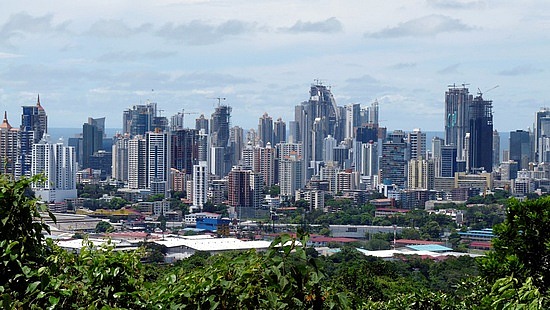
The underlying drive to discover the actual ownership of enterprises and their fiduciary principals are the focus in the article, FATCA's crucial sidekick, the hunt for 'beneficial owner'. "Beneficial ownership as a policy issue is very multifaceted," says Joshua Simmons, a Legal Fellow with advocacy group Global Financial Integrity. "It's much larger than anti-money laundering. It also ties into corruption, fraud, sanctions and tax evasion issues. Now, a lot of the focus on it is being driven by international attention on tax evasion."Tax evasion has no greater case in point than the trade in drugs. Yet, efforts to curb money laundering have failed miserably. The account, The destructive effort to combat money laundering, tax evasion and terrorist financing, demonstrates that laws and regulations meant to prevent washing tainted gains, miss their mark. "The most recent global waste of money and life is the "war" on the vague crime of "money-laundering." The anti-money laundering zealots claim the war is needed to stop global tax evasion, drug dealing and terrorist finance. Despite, again, the hundreds of billions of dollars spent on the effort and the many lives lost, there is scant evidence that tax evasion, drug dealing, or terrorism have been significantly reduced, by anti-money laundering regulations."Take the historic grand daddy of banking houses, built upon the drug trade, the notorious Hong Kong and Shanghai Bank. The British firm behind the Chinese Drug trade, the bank that would become HBSC, perfected the Dope, Inc. model, which profited from the Opium Wars. Such experience along with government protection enabled HSBC’s stunning growth in international deposit relationships. Wrapping your mind around the sums in the report, Drug Cartel Money Laundering Accounted for 85 Percent Of Global Economy For 2012, is not easy. "According to legal documents for the case filed in 2012, HSBC admitted that it failed to apply legally required money laundering controls to $60 trillion in wire transfers alone, in only a three year period, $670 billion of which came from Mexico. $60 trillion-that is approximately 85 percent the entire world's GDP in 2012. In a settlement to put an end to the probe into their money laundering activities in late 2012, HSBC agreed to pay a fine of $1.9 billion. While HSBC may have been associated with the largest money laundering operation in U.S. banking history, it is by no means alone."Paying large fines that are but mere drops in a bucket of nose candy consignments are just part of the cost of business. No wonder that author, Matt Taibbi says the Outrageous HSBC Settlement Proves the Drug War is a Joke. Reuters contributor, Brett Wolf in Less drug-money traffic at HSBC may mean more risk for other banks in U.S. cites the section of the law violated. "HSBC was vulnerable because it failed to take the steps necessary to know its customers, and because monitoring of banknotes transactions was conducted manually by one or two compliance officers, according to the statement of facts, which is the product of a years-long probe by U.S. law enforcement officials. Furthermore, the bank’s U.S. unit did not appropriately gauge the risks associated with its Mexican counterpart.Now proponents of FATCA will claim that this new requirement will put a severe cramp in the automatic wash cycle. How silly, the notion that banksters will cease and desist their laundering machine, when government agencies like the DEA, CBP, ICE, DHS, ATF, and the sure standard bearers, FBI and CIA draw supplementary covert funding from their percentage in the business of trafficking from drug contraband. If the State were truly serious about shutting down the drug trade, putting out of business the major international bank violators would be the test. Money laundering, not the canal, built the Panama City skyline. Do you think that Manuel Noriega might have to answer questions 4 & 5 of the FATCA query? Probably not, his bank accounts must have been seized by his partner, George H. Bush. FATCA remains an instrument to force repatriation of law-abiding citizen funds, for domestic IRS taxation scrutiny, if they support the Tea Party. So goes, the phony war on money laundering! James Hall – June 18, 2014 |
http://www.batr.org/corporatocracy/061814.html


No comments:
Post a Comment