Christopher Lee Describes the Power of Satanic Rituals in 1975 Video
In this rare interview, actor Christopher Lee discusses the power of black magic and satanic rituals, adding that there’s “nothing fictitious” about them. He also explains why there was a resurgence of interest in occultism at the time. His answer remains fully relevant today.
Published 1 day ago on December 6, 2019By Vigilant Citizen Christopher Lee Describes the Power of Satanic Rituals in 1975 Video
Christopher Lee’s career in the film industry was a long and fruitful one. While younger people know him for his role as Saruman in The Lord of the Rings and The Hobbit trilogies, Lee’s filmography goes way back (nearly 70 years) and includes a long list of movies and television shows (over 200).
When one looks at roles taken by Lee throughout his life, two constants emerge: He often played the role of the villain and he often played in movies with dark, occult themes.
For instance, Lee played the role of Count Dracula in eight movies, the last one being The Satanic Rites of Dracula (1973).
Christopher Lee Describes the Power of Satanic Rituals in 1975 Video
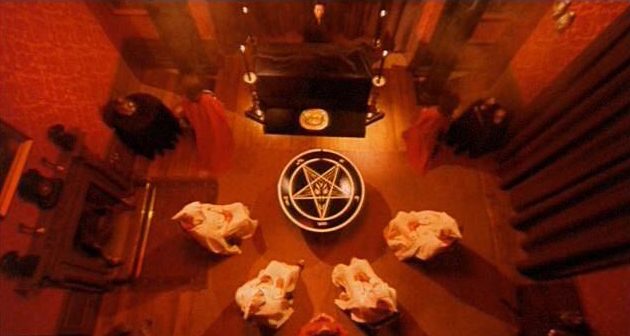
The Satanic Rites of Dracula begins with a satanic ritual taking place in an English country house with four prominent members of society: A government minister, a peer, a general and a famous scientist. Literally the occult elite.
The 1968 movie The Devil’s Bride is about a Satanic cult in South England.
Christopher Lee Describes the Power of Satanic Rituals in 1975 Video
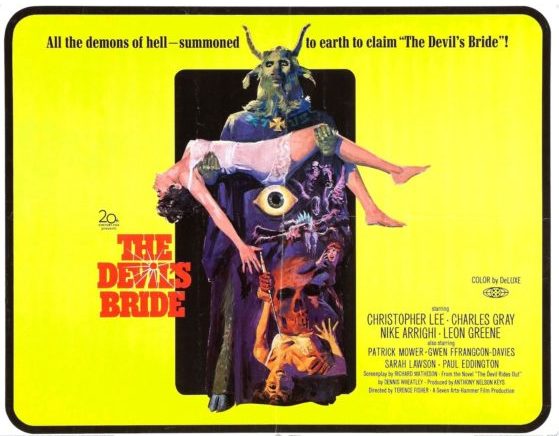
In The Devils Bride, Baphomet himself makes an appearance.
In the 1976 movie To the Devil a Daughter, Christopher Lee plays the role of a “priest” in a Satanic cult who offers a 14-year-old girl to the devil. Disturbing fact: The girl is greatly sexualized in the movie and there’s even full-frontal nudity.
Christopher Lee Describes the Power of Satanic Rituals in 1975 Video
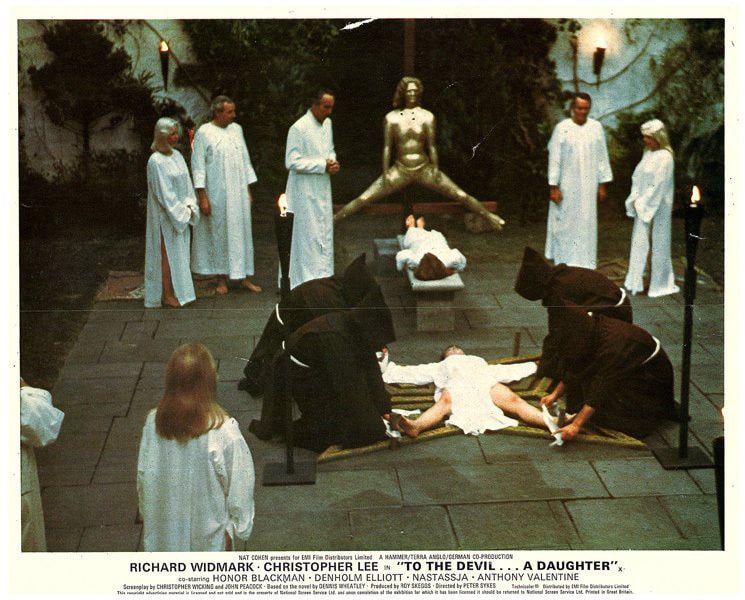
In To the Devil a Daughter, a Black Mass takes place in front of an inverted cross and an inverted “Jesus”.
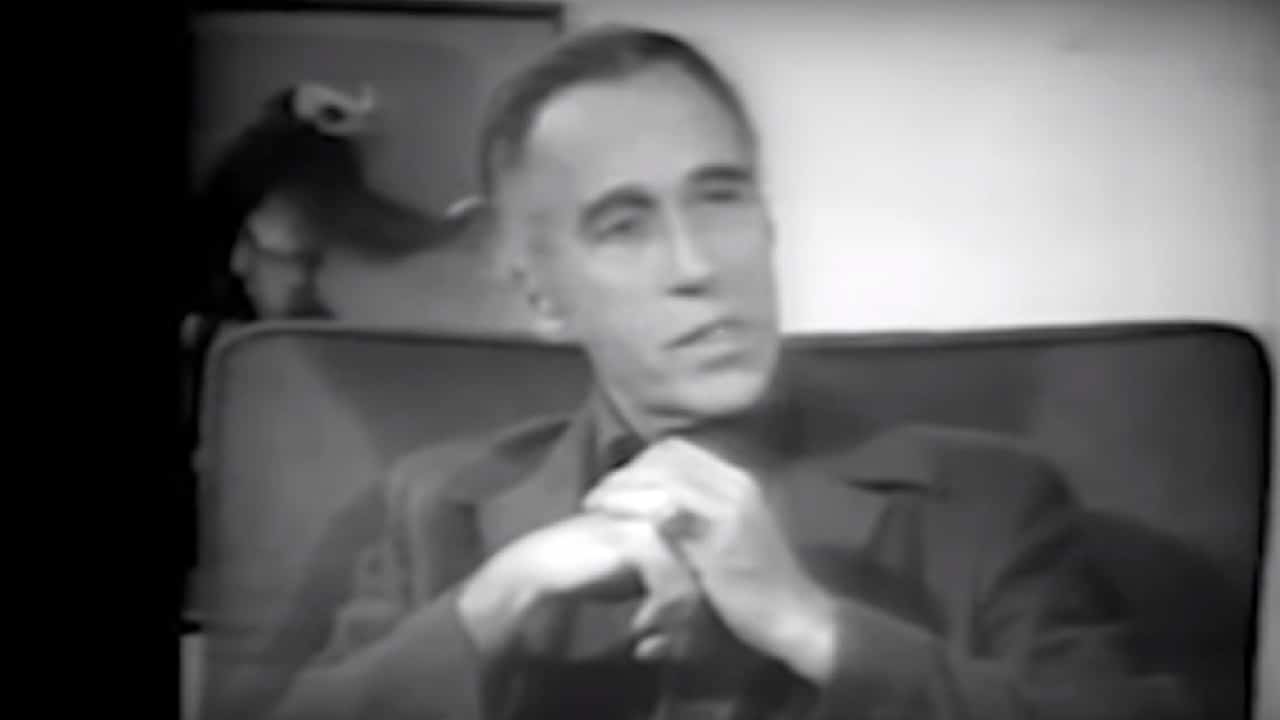
The least one can say is that Christopher Lee appeared to know a thing or two about black magic and satanic rituals. In an interview about To the Devil a Daughter, Lee serves a lesson on black magic to the interviewer while explaining the power and the danger surrounding these rituals.
While the interview took place over 44 years ago, everything he says remains true and relevant today.
Ipsissimus
(10°=1□): Beyond the comprehension of the lower degrees. An Ipsissimus is free from limitations and necessity and lives in perfect balance with the manifest universe. Essentially, the highest mode of attainment. This grade corresponds to Kether on the Tree of Life. Ipsissimus is quite hard to translate directly from Latin to English, but it is essentially the superlative of "self", translating rather approximately to "His most Selfness," or "self-est." (c.f. generalissimus for the same superlative form in use for a grade from same Latin root.)
Crowley named as a condition of this grade the trance Nirodha-samapatti, which reduces heartbeat and other life functions to the bare minimum. Theravada Buddhist monks traditionally attain nirodha-samapatti by producing the aforementioned Formless States one after the other, and perceiving in each what they call the Three Characteristics of all existence: sorrow or tendency towards sorrow, change or unreliability, and insubstantiality or lack of self. Crowley and the A∴A∴ however seek to replace this threefold concept of existence with the quest for balance as both a motive for discipline and the means of achieving their end goal. In Liber B vel Magi they urge the Magus seeking further progress to identify the Buddhist Three Characteristics with the opposite states. "Wherein Sorrow is Joy, and Change is Stability, and Selflessness is Self." Crowley's version of nirodha includes "seeing first the truth and then the falsity of the Three Characteristics" according to his published theory.
The Ipsissimus should keep the achievement of this final grade secret, even from the rest of the Order, and continue with the work of the Magus while expressing the nature of an Ipsissimus in word and deed.


No comments:
Post a Comment