My cousin in Italy revealed a remarkable literary parable. It is worth reading and understanding. Ultimately it is not about being human, but divine. Thank you my dear Giovanni.
In The Brothers Karamazov, Fyodor Dostoevsky includes a remarkable section titled “The Grand Inquisitor”, one of the most famous parables in modern literature. It appears within Book V, Chapter 5, told by Ivan Karamazov to his brother Alyosha. In the parable, the Grand Inquisitor is an elderly Catholic cardinal in Seville who leads the Inquisition. He is the central figure opposing Jesus Christ in the story imagined by Ivan Karamazov.
Ivan imagines that Christ returns to Earth during the height of the Spanish Inquisition, in 16th-century Seville. The people immediately recognize Him. He performs miracles, heals the sick, and raises a child from the dead. But instead of being celebrated, He is quickly arrested by the Inquisition. That night, the powerful Grand Inquisitor visits Jesus in His cell.
The Inquisitor delivers a long, intense monologue, accusing Jesus of giving humanity freedom, a “burden,” he argues, that ordinary people cannot bear. In rejecting the temptations of Satan in the wilderness (bread, power, and miracle), Christ chose freedom and faith over control. The Inquisitor insists this was a mistake: people, he says, crave security, authority, and miracle, not freedom. The Church, therefore, has corrected Jesus’s work by giving people what they actually want, obedience and comfort, not liberty and responsibility.
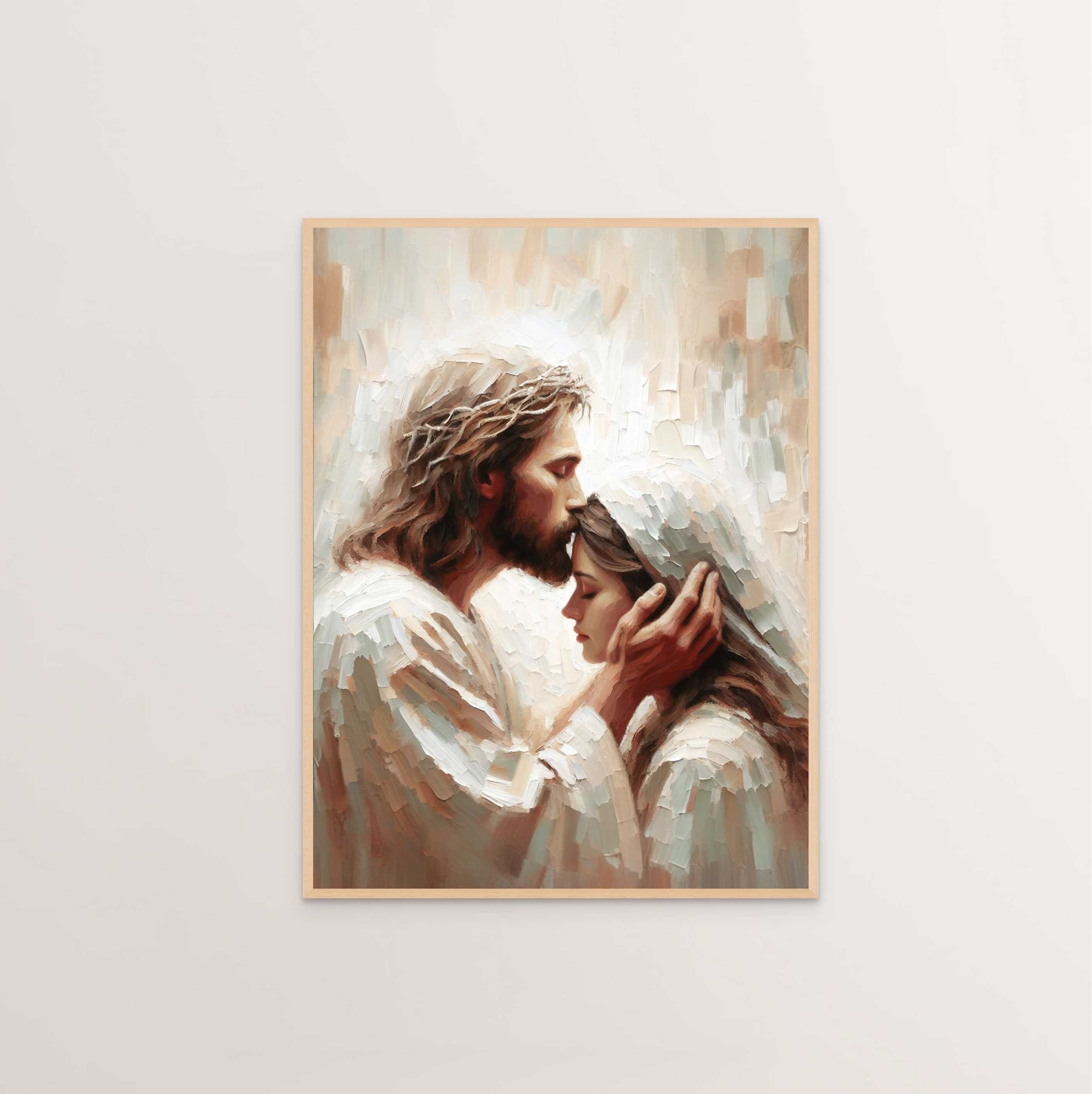
Throughout the speech, Jesus remains silent, responding only with a kiss. The Inquisitor, shaken, releases Him but tells Him never to return.
This parable dramatizes one of Dostoevsky’s central concerns: the conflict between freedom and authority, or between divine love and institutional power. It embodies Ivan’s skepticism and despair about faith and human nature, and challenges readers to decide where real salvation lies: in freedom and conscience, or in the comforting control of authority.
1. The Story Ivan Tells
Ivan imagines a story set during the time of the Spanish Inquisition in Seville. Jesus Christ suddenly returns to Earth. People immediately recognize Him and begin following Him.
He performs miracles: healing the sick and raising a dead child. However, the Church authorities arrest Him. The person who orders the arrest is the Grand Inquisitor, an elderly cardinal who leads the Inquisition. That night, the Inquisitor visits Christ in prison and delivers a long monologue explaining why Christ must be executed again.
2. The Grand Inquisitor’s Argument
The Inquisitor claims that Christ made a mistake when He gave humanity freedom. According to the Inquisitor: Humans do not actually want freedom. They want: security, certainty, authority, and bread (material needs). He says the Church corrected Christ’s mistake by taking away freedom and giving people stability. The Inquisitor explains this through Christ’s three temptations in the desert.
3. The Three Temptations
The Inquisitor refers to the temptations described in the Gospels.
A. Turn Stones into Bread - The devil suggested Christ should turn stones into bread. Meaning:
People care more about food and survival than spiritual freedom. The Inquisitor argues:
People care more about food and survival than spiritual freedom. The Inquisitor argues:
If Christ had provided bread, people would gladly follow Him. Freedom is too heavy a burden.
B. Perform a Miracle - The devil suggested Christ throw Himself from the temple so angels would save Him. Meaning: Humans crave miracles and certainty. The Church, the Inquisitor says, gives people miracles and spectacle to keep their faith.
C. Rule the World - The devil offered Christ all the kingdoms of the earth. Meaning: People want authority and order, not freedom. The Church, according to the Inquisitor, accepted this offer symbolically: It rules over people. It tells them what to believe. It removes the anxiety of freedom.
D. The Inquisitor’s Dark Philosophy - The Inquisitor claims the Church has built a system based on: miracle, mystery, authority. He believes this is necessary because humans are weak and frightened. His chilling conclusion: Humanity will be happier if a small group secretly controls everyone else. The leaders know the truth, but the masses are kept obedient.
E. Christ’s Response - The striking part of the story: Christ says nothing the entire time. After the Inquisitor finishes his speech: Christ silently walks over, kisses him on the lips. The Inquisitor is shaken but releases Christ, telling Him never to return.
Christ’s kiss symbolizes love, forgiveness, and faith in human freedom. It silently challenges the Inquisitor’s belief that people must be controlled for their own happiness.


No comments:
Post a Comment